
Most AC failures are not random. They follow predictable patterns. They develop from neglected maintenance items that worsen gradually until a component reaches the end of its tolerance and stops working entirely. Understanding which maintenance habits prevent the most consequential failures gives homeowners genuine control over system reliability and repair costs.
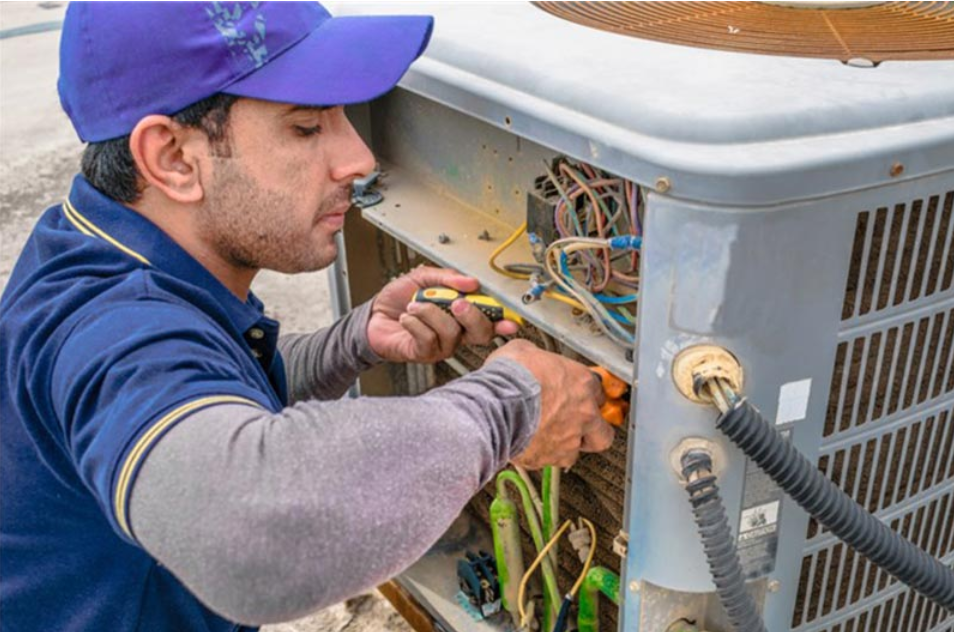
Prevention Always Costs Less Than Emergency Repair
Every major AC failure has a history. That history almost always includes warning signs and missed maintenance opportunities that professional attention would have caught earlier. Homeowners who commit to consistent prevention connect with trusted AC repair in Spring, TX professionals who keep systems healthy between seasons and resolve developing problems before they become expensive emergencies.
Filter Maintenance Is Simple but Critically Important
To begin with, a clogged air filter is the single most common cause of preventable AC problems. Restricted airflow forces the blower motor to work harder. It reduces heat transfer across the evaporator coil. It causes evaporator coil freeze-up that stop cooling entirely. It accelerates wear on every component working against increased resistance. Filter replacement takes minutes. It costs almost nothing. Yet deferred filter maintenance contributes to system failures that cost hundreds or thousands to repair. Checking filters monthly during peak cooling season and replacing them before restriction becomes significant is the simplest and most impactful maintenance habit any homeowner can develop.
Coil Cleaning Restores Efficiency That Dirt Gradually Steals
Furthermore, both evaporator and condenser coils accumulate contamination that reduces heat transfer efficiency progressively. Indoor evaporator coils collect dust, mold, and biological material that insulates the refrigerant from the air it should be cooling. Outdoor condenser coils accumulate dirt, grass clippings, and debris that prevent effective heat rejection to the outdoor air. Dirty coils force the compressor to work harder for reduced output. They increase energy consumption measurably. They stress the compressor toward premature failure that coil cleaning would have prevented.
Electrical Component Inspection Catches Failures Before They Cascade
Another maintenance priority that prevents some of the most expensive AC failures is annual inspection and testing of electrical components whose gradual degradation creates sudden failures that damage other system components when they occur. Capacitors that start and run compressor and fan motors weaken gradually before failing completely. A weakened capacitor that has not yet failed causes the motor it serves to draw excessive current during startup. That elevated current draw stresses motor windings toward insulation breakdown and eventual motor failure.
Drain Line Maintenance Prevents Water Damage Beyond the AC System
Finally, condensate drain line maintenance prevents failures whose consequences extend well beyond AC system performance into property damage that water intrusion causes when drain lines clog and overflow. Condensate overflow can damage ceilings, walls, and flooring in ways that produce remediation costs far exceeding any maintenance investment. Drain lines in humid climates develop algae and biological growth that restricts flow progressively throughout the cooling season. Quarterly drain line flushing with appropriate treatment prevents that restriction before it produces overflow.
Conclusion: Prevention Always Costs Less Than Emergency Repair
To sum it all up, filter maintenance, coil cleaning, electrical component inspection, and drain line treatment are the four maintenance habits that prevent the most common and most expensive AC failures. None requires significant time or investment. All produce returns that compound across years of extended system lifespan and avoided emergency repair costs. Commit to these habits consistently and the AC system rewards that commitment with reliable performance through every demanding cooling season.
Recent Comments